Where to Source good quality Replacement Fuel Filters in China?
Fuel Filter Manufacturers in China, Grouped by Region Guangdong No. Manufacturer Location Relevant product range…

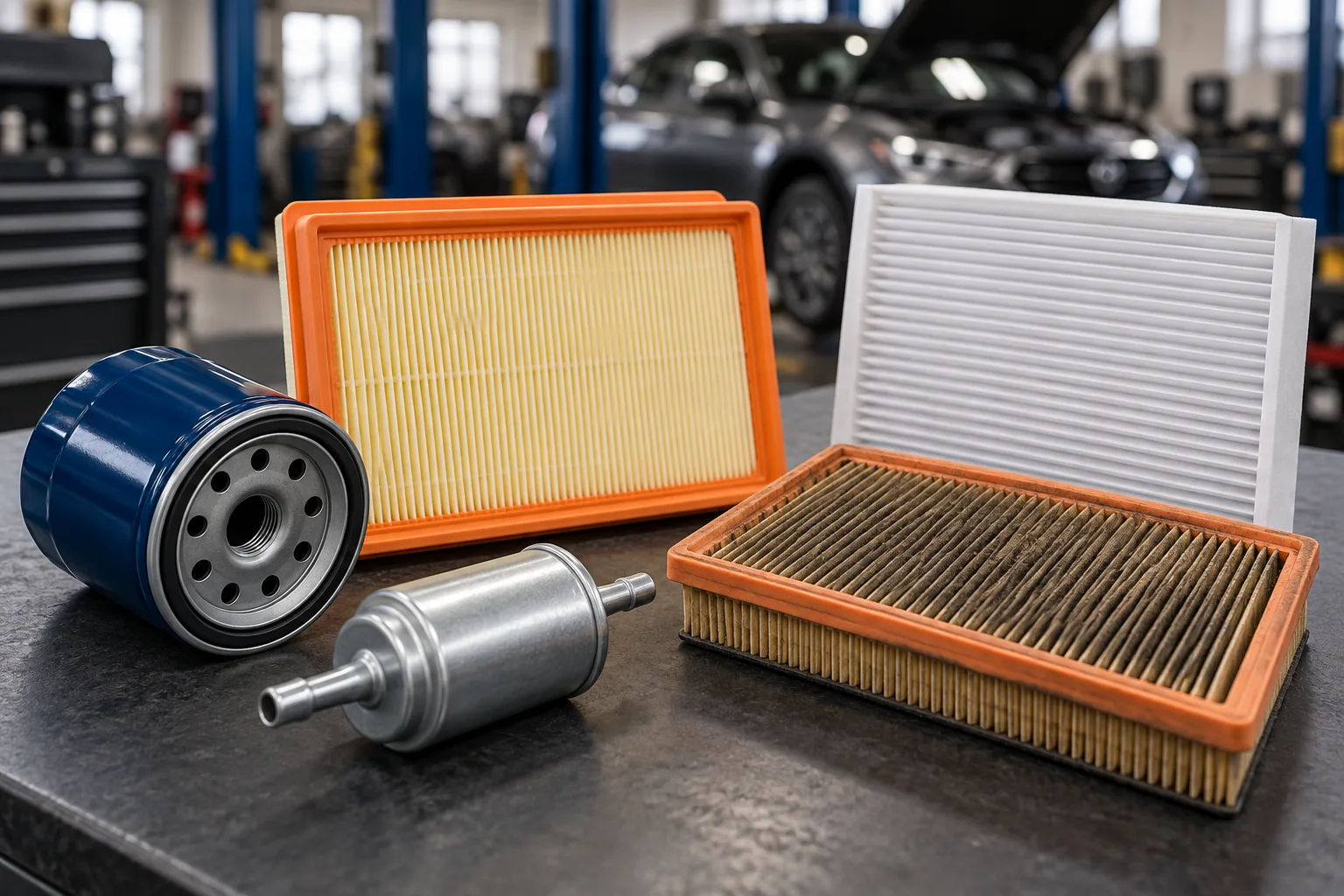
When it comes to maintaining your vehicle, one of the most critical components to consider is the fuel filter. The fuel filter plays a vital role in ensuring that your engine runs smoothly by removing impurities and contaminants from the fuel before it reaches the engine. Choosing the right fuel filter for your needs can significantly impact your vehicle’s performance, fuel efficiency, and longevity. In this comprehensive guide, we will explore the various factors you need to consider when selecting a fuel filter, the different types of fuel filters available, and how to ensure that you make the best choice for your vehicle.
Before diving into the specifics of how to choose a fuel filter, it’s essential to understand why this component is so crucial. The fuel filter is responsible for trapping dirt, rust, and Other debris that may be present in the fuel. Over time, these contaminants can accumulate and clog the fuel injectors, leading to poor engine performance, reduced fuel efficiency, and even engine damage. A high-quality fuel filter ensures that only clean fuel reaches the engine, thereby protecting it from harmful particles and maintaining optimal performance.
There are several types of fuel filters available on the market, each designed to meet specific needs and requirements. Understanding the different types will help you make an informed decision when choosing a fuel filter for your vehicle.
1. Inline Fuel Filters: These are the most common type of fuel filters and are typically located along the fuel line between the fuel tank and the engine. Inline fuel filters are easy to install and replace, making them a popular choice for many vehicle owners. Ex. MANN WK 55/3 for Selected Chevrolet/Daewoo Lacetti, Lanos, Matiz/Spark, Nubira and Epica petrol models.
2. Cartridge Fuel Filters: Cartridge fuel filters consist of a replaceable filter element housed in a durable casing. These filters are often used in diesel engines and are known for their high filtration efficiency. Cartridge fuel filters are generally more expensive than inline filters but offer superior performance and longevity. Ex. HF8222 (PF-1200) for selected Acura, Honda Civic/Accord models.
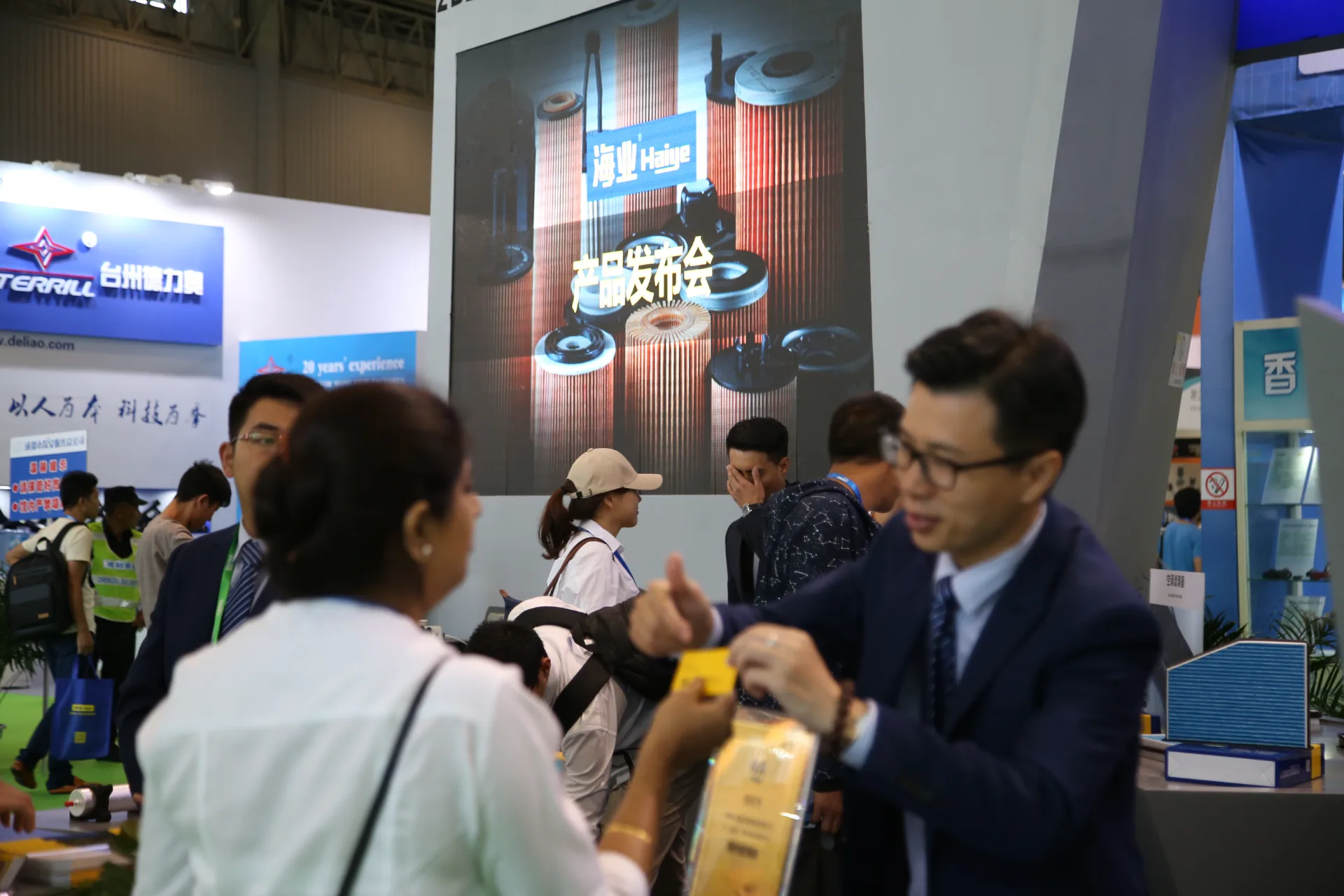
3. Spin-On Fuel Filters: Spin-on fuel filters are similar to cartridge filters but are designed to be screwed onto the engine. These filters are commonly used in heavy-duty vehicles and industrial equipment. Spin-on fuel filters are easy to replace and provide excellent filtration capabilities. Ex. Haiye HF-8880 for selected GMC, Chevrolet, Saturn models.
4. In-Tank Fuel Filters: As the name suggests, in-tank fuel filters are located inside the fuel tank. These filters are typically used in modern vehicles with fuel injection systems. In-tank fuel filters are designed to last longer than other types of filters but can be more challenging to replace. Ex. Toyota 23300-21010 → 23300-0A020 for Selected Toyota applications, including 2008 Highlander Hybrid.
Choosing a fuel filter starts with the vehicle application, but a reliable purchasing decision goes further. Distributors, importers, and private label brands also need to evaluate filtration performance, fuel compatibility, service requirements, and consistency across repeat orders.
The first step in fuel filter selection is identifying the exact application. Record the vehicle make, model, production year, engine code, fuel type, and original equipment (OE) part number. Where necessary, confirm the VIN or chassis range and the original filter housing.
The same vehicle model can use different fuel filters depending on its engine, production date, or market specification. Dimensions alone are insufficient to establish compatibility.
A cross-reference is a useful starting point. For example, K&N lists Haiye HF8222 against its PF-1200 fuel filter. That mapping helps buyers locate a comparison reference; final selection should still be checked against the intended vehicle and approved technical requirements.
For a Haiye inquiry, send the OE number together with the application details rather than relying only on the vehicle name.
Fuel filters can be described by their construction and by their installation location. These descriptions may overlap.
| Description | Meaning | What to check |
|---|---|---|
| Inline fuel filter | Installed along the fuel line | Connections, flow direction, mounting, and any integrated regulator |
| Cartridge fuel filter | Replaceable element fitted inside a reusable housing | Element dimensions, end-cap design, seals, and housing compatibility |
| Spin-on fuel filter | Threaded canister replaced as a complete unit | Thread, gasket dimensions, mounting clearance, and any drain or sensor connection |
| In-tank fuel filter | Located inside the fuel tank, sometimes within the pump module | Module compatibility and whether the filter is separately serviceable |
An inline location does not automatically specify the filter’s construction. Likewise, a metal housing does not make a filter a spin-on design.
Haiye’s fuel-filter information distinguishes replaceable-element and spin-on designs. Confirm the construction of the specific Haiye model before assigning it to a catalogue category.
A micron rating describes particle size, but it does not fully explain how effectively a filter captures those particles. Buyers should evaluate particle size together with the stated filtration efficiency, test method, and operating conditions.
For example, a claim that a filter captures particles of a particular size is incomplete without an efficiency figure. Also distinguish initial performance from performance over the filter’s service life.
Ask for product-specific evidence covering particle retention, contaminant capacity, and relevant test conditions. Do not apply the performance figures of a cross-referenced brand to a Haiye product without Haiye-specific evidence.
For an OEM fuel-filter project, put the agreed performance requirements into the technical specification before approving production.
A fuel filter must support the fuel supply required by the engine while controlling restriction. Review its flow capacity and pressure drop at the specified flow rate, along with the housing and connection pressure requirements.
Check the filter’s actual position in the fuel system. A filter installed upstream of a high-pressure injection pump does not necessarily operate at the injection pressure itself.
For filters with an integrated pressure regulator, the regulator setting must also match the application. A physically compatible filter with the wrong operating characteristics can still be unsuitable.
For diesel fuel filters, water separation can be an essential selection criterion. Particle filtration and water separation are different functions, so evidence for one does not establish performance for the other.
Review whether the application requires a fuel-water separator, a drain arrangement, a water sensor, or a particular housing configuration. Request water-separation data for the exact filter under consideration when the function is required.
Filter media, seals, adhesives, and housings must be suitable for the specified fuel and operating environment. Identify whether the application uses gasoline, diesel, or an approved fuel blend, and define relevant temperature requirements.
Avoid assuming that all filters of the same shape support the same ethanol or biodiesel blends. Material suitability should be confirmed for the actual application.
For Haiye procurement discussions, provide fuel specifications and operating requirements alongside the OE reference. This gives the technical review a clearer basis than a general request for a higher-grade material.
Evaluate the recommended replacement interval, installation procedure, and required service parts. Follow the vehicle manufacturer’s maintenance guidance rather than assuming a universal mileage interval.
For cartridge filters, confirm the required seals. For spin-on or inline units, check installation clearance and connections. For in-tank products, establish whether servicing requires replacing an individual filter or a larger assembly.
For distributors, total cost includes incorrect-fitment returns, installation complaints, packaging errors, and inventory tied up in unsuitable applications. A lower unit price offers little value if the product repeatedly creates after-sales work.
A satisfactory sample is the beginning of supplier evaluation. Repeat orders should be assessed against the same approved technical documents and acceptance criteria.
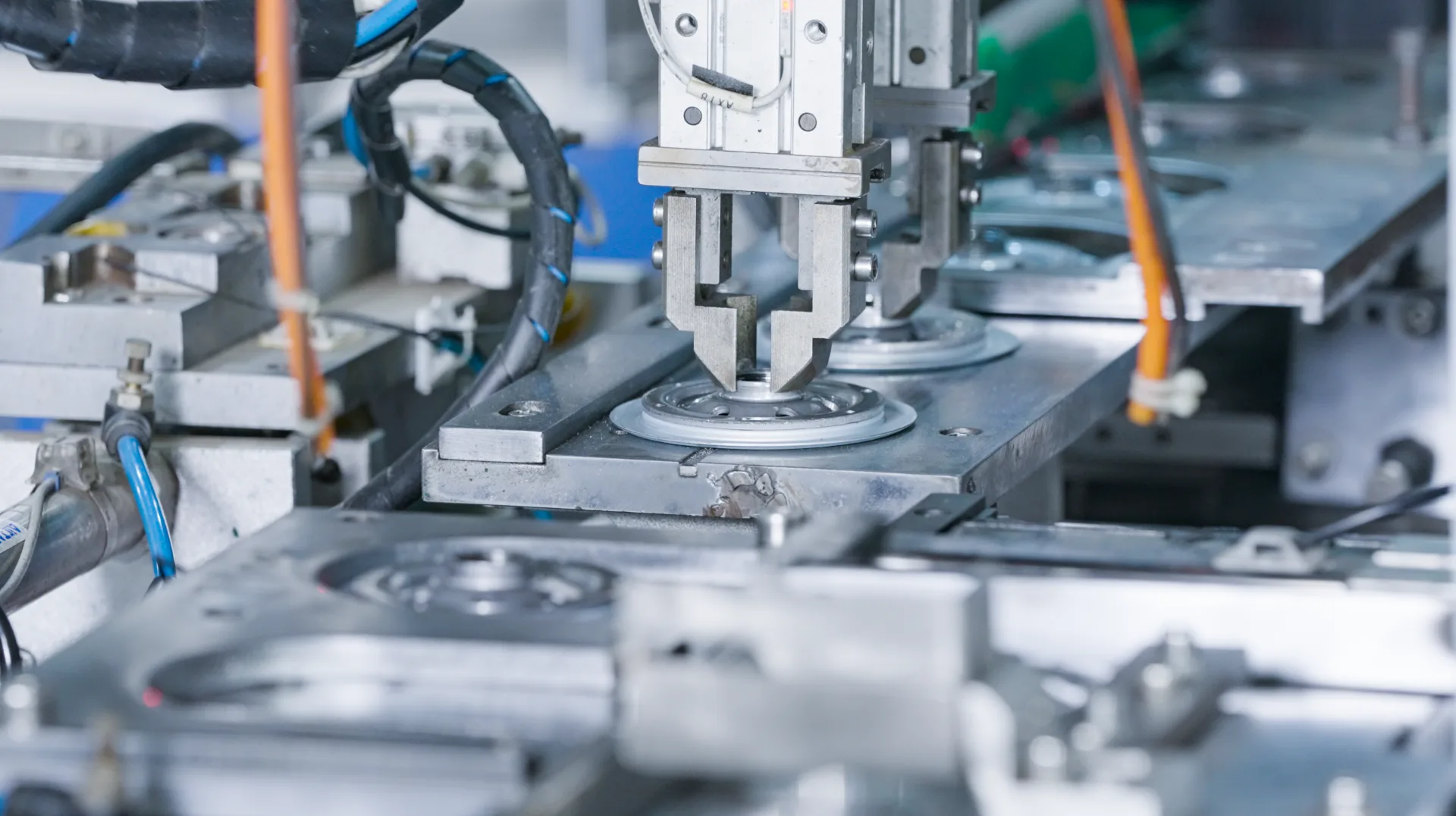
When evaluating a fuel filter manufacturer, ask how it controls incoming materials, dimensions, assembly, sealing, labeling, and packaging. Relevant inspection checks should reflect the filter’s construction and intended application.
For a Haiye project, agree on the model, OE references, technical specification, applicable inspection requirements, and packaging details. Where sample approval is part of the project, document what has been approved and how later batches will be assessed. Define how material or design changes will be reviewed before they affect repeat orders.
Private label fuel-filter procurement requires both technical and commercial clarity. Specify the product identification, authorized artwork, labels, packaging, order quantities, and batch traceability requirements.
Branding should follow the customer’s authorization, while the underlying filter specification should remain tied to the agreed application and performance targets. Packaging artwork alone does not define a product’s technical requirements.
Confirm project feasibility and sample arrangements before committing to a production schedule.
The right fuel filter combines correct fitment with suitable filtration, flow, pressure, and fuel compatibility. For B2B buyers, reliable repeat orders also depend on documented specifications and consistent supplier execution.
To discuss a Haiye fuel-filter project, send your OE numbers, vehicle and engine applications, target quantities, and performance requirements. Include any private label packaging requirements so the inquiry covers both the product and its intended market presentation.